Compare Local Contractors for Fallen Branch Removal Services
Compare local contractors for fallen branch removal to define scope, verify experience, and set clear expectations for a safe, efficient cleanup.
Fallen branch removal is a task that typically involves clearing broken or fallen limbs from trees that pose a hazard or obstruct access on residential or commercial properties. This work may include trimming or pruning damaged branches, safely lowering debris, and ensuring that remaining tree structure remains healthy and stable. Contractors often use specialized equipment and techniques to handle branches of various sizes, especially those that are difficult to reach or pose safety risks. Properly addressing fallen branches helps maintain the safety of the property and prevents further damage to landscaping, structures, or power lines.
Defining the scope of fallen branch removal work is a crucial step in ensuring the project meets expectations. Clear communication about which branches need removal, the extent of trimming, and any additional services-such as cleanup or debris hauling-helps prevent misunderstandings. Documenting the scope in writing provides a reference for both property owners and contractors, establishing a shared understanding of the work to be performed. This clarity can also assist in evaluating proposals from different service providers, making it easier to compare their approaches and ensure they align with specific property needs.
Property owners seeking assistance can compare local contractors by examining their experience with similar jobs, the scope of services offered, and the methods they use to handle fallen branches. It’s advisable to verify whether contractors have a history of working safely and efficiently in the area, as well as their approach to cleanup and debris removal. When evaluating options, consider requesting detailed descriptions of how each contractor plans to approach the work and whether they provide written estimates or scope outlines. This process helps ensure that the chosen service provider can meet the specific requirements of the property, leading to a smoother, more predictable project outcome.
Compare local contractors by outlining your priorities, verifying experience, and setting clear expectations in writing.
- Compare Contractor Credentials - review the experience and reputation of local contractors handling fallen branch removal.
- Define the Scope of Work - clearly outline the tasks and responsibilities expected from the service provider.
- Verify Experience and References - ensure contractors have relevant experience and can provide references upon request.
- Document Expectations in Writing - establish a detailed agreement to set clear responsibilities and avoid misunderstandings.
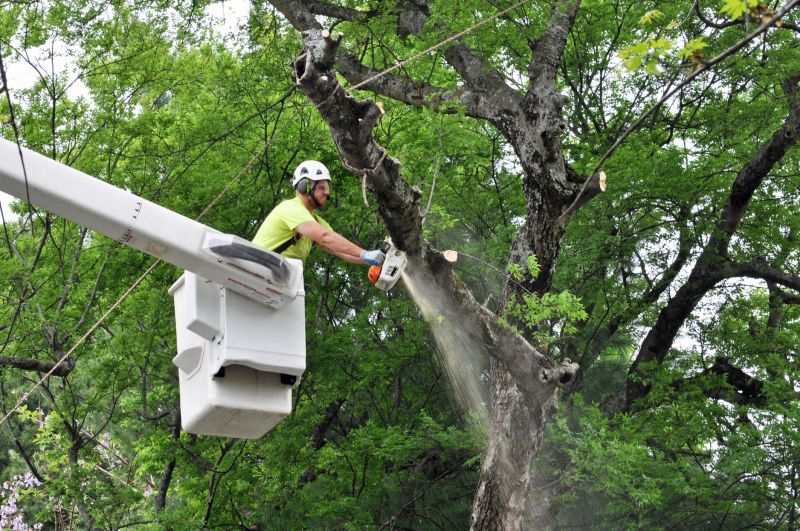
Compare local contractors by clearly describing your fallen branch removal project, defining scope, and verifying experience before setting expectations in writing.
- Verify experience with fallen branch removal to ensure contractors are familiar with safety and cleanup procedures. - Look for service providers who clearly define the scope of work and responsibilities in writing.
- Compare different local contractors to assess their methods for safely removing and disposing of fallen branches. - Ensure the contractors follow proper techniques to prevent damage to property or surrounding landscape.
- Check that contractors have appropriate equipment for branch removal, such as chainsaws, ropes, and safety gear. - Confirm that the scope includes debris removal and site cleanup after the work is completed.
- Review the scope of work to understand what is included and clarify any additional services needed. - Make sure all expectations are documented to avoid misunderstandings during the project.
- Assess the contractors’ reputation and references to ensure consistent quality in fallen branch removal services. - Prioritize service providers who can demonstrate reliable performance and attention to detail.
Compare local contractors, clarify project scope, verify experience, and document expectations carefully.
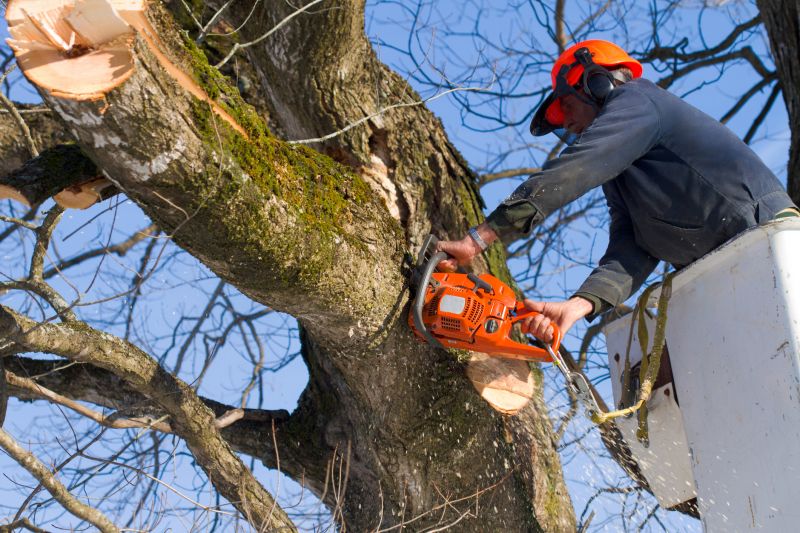
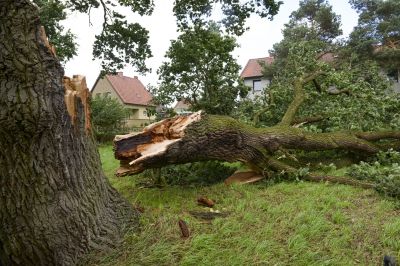
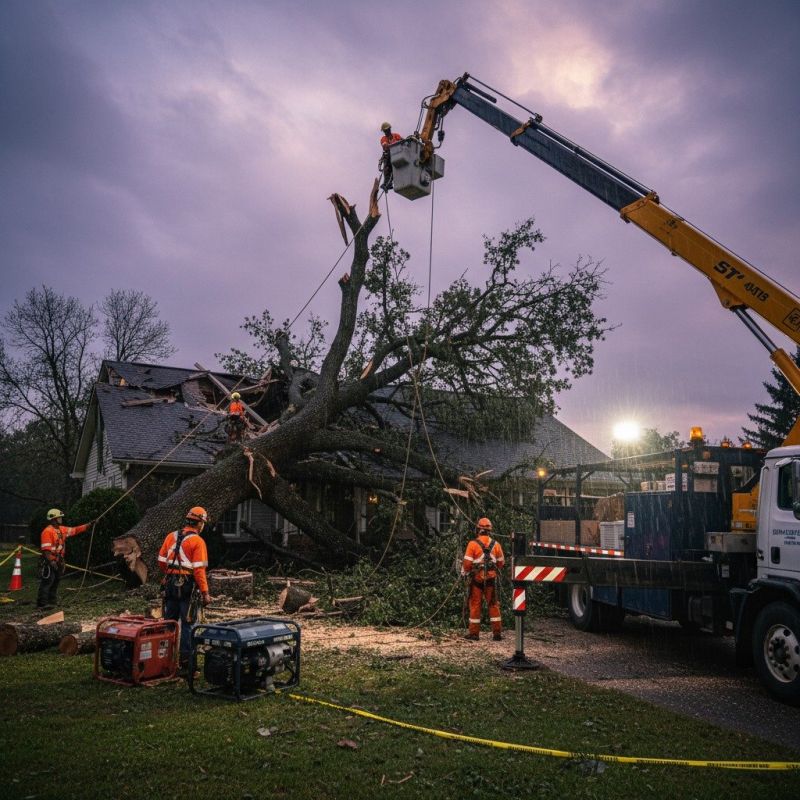
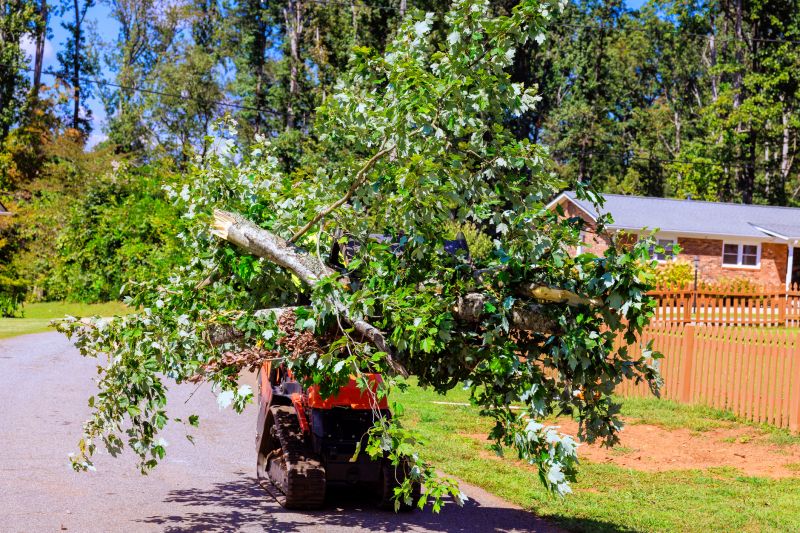
Compare local contractors' scope definitions and experience to ensure consistent expectations across service providers.
- Scope Definition - Clearly specify the extent of fallen branch removal services needed, including size, number, and location of branches.
- Experience Verification - Confirm that local contractors have relevant experience handling fallen branch removal in similar settings.
- Material and Equipment - Identify the tools and equipment required to safely and effectively remove fallen branches.
- Safety and Site Considerations - Outline safety protocols and site-specific factors that may impact the removal process.
- Written Agreement - Ensure all work scope, expectations, and responsibilities are documented in a detailed written agreement.
When comparing contractors for fallen branch removal, it’s important to consider their experience with similar projects. Service providers who have a track record of handling fallen branch removal in environments comparable to the site in question are more likely to understand the unique challenges involved. Inquire about their past work on trees of similar size and location, and whether they have managed situations that require specific techniques or equipment. A contractor’s familiarity with the local terrain and common tree species can also impact the quality and safety of the work performed.
Having a clear, written scope of work is essential when evaluating contractors. A detailed description of the tasks involved-such as the size and number of branches to be removed, the methods to be used, and any cleanup or debris disposal-helps ensure all parties share the same expectations. This documentation provides a foundation for comparison and can prevent misunderstandings later. Service providers who can articulate a comprehensive scope demonstrate professionalism and transparency, making it easier to assess how well they understand the project’s requirements.
Verification basics are key to confidently selecting a contractor for fallen branch removal. While licensing and certification are not the focus here, it’s important to verify references or reviews that speak to the contractor’s experience and reliability. Asking for examples of completed projects similar in scope can provide insight into their capabilities. Additionally, confirming that the contractor has the necessary insurance coverage and adheres to safety standards can help protect the homeowner from potential liabilities. These verification steps contribute to a more informed decision-making process.
When evaluating options, it’s helpful to compare how each contractor approaches the scope of work and their level of professionalism. Consider whether they provide detailed written proposals, clearly outline the services included, and demonstrate a thorough understanding of the project’s needs. Asking questions about their process, equipment, and experience with similar jobs can reveal their expertise and reliability. By focusing on these qualitative factors-beyond price-homeowners can select a service provider who is well-equipped to handle fallen branch removal efficiently and safely.
Ask contractors to provide written scope details to ensure clear expectations and consistent project understanding.
- Scope of Work - What specific services and tasks are included in the fallen branch removal?
- Experience and Expertise - How do contractors demonstrate their experience with similar tree or branch removal projects?
- Comparison of Services - What differences exist between local contractors regarding the methods and tools used for branch removal?
- Work Expectations - How should the scope and process of the removal be clearly outlined in writing?
- Qualifications and References - What credentials or references can contractors provide to verify their capability to handle fallen branch removal?
How can I compare contractors for fallen branch removal? To compare local contractors, review their experience, scope of services, and customer feedback to find providers that meet specific project needs.
What should I consider when defining the scope of fallen branch removal? Clearly outline the size, location, and number of branches to be removed to ensure contractors understand the project requirements.
How can I verify the experience of a contractor for fallen branch removal? Ask for details about their past projects and check references to assess their familiarity with similar removal jobs.
Why is it important to have a written agreement with a contractor? A written agreement helps set clear expectations regarding the scope of work, responsibilities, and project details, reducing misunderstandings.
What questions should I ask a contractor before hiring for fallen branch removal? Inquire about their experience, methods, safety procedures, and how they handle cleanup to ensure they meet project requirements.
How can I ensure the contractor understands my specific needs? Communicate your expectations clearly in writing and confirm that the scope and details are documented before work begins.
By understanding the importance of defining the scope of fallen branch removal, verifying the experience of local contractors, and setting clear expectations in writing, visitors can make more informed decisions when comparing service providers. Taking these steps helps ensure that the chosen contractor is well-suited to handle the job effectively and reliably. Utilizing the quote form provides a straightforward way to explore and evaluate different local options, making it easier to find the right fit for specific needs.
Encouraging visitors to use the quote form to compare local contractors emphasizes the value of gathering information and assessing options before making a decision. This approach supports a transparent process, allowing individuals to connect with experienced service providers who can address fallen branch removal projects. Comparing multiple local options helps ensure that the chosen contractor aligns with the scope and expectations of the work needed.