Compare Local Contractors for Tree Debris Removal Services
Compare local contractors for tree debris removal to define scope, verify experience, and set clear expectations for a successful job.
Tree debris removal services typically cover the safe and efficient clearing of fallen branches, leaves, and other yard debris resulting from storms, pruning, or aging trees. Contractors may use various tools and equipment to gather, chip, or haul away debris, helping property owners maintain a clean and safe outdoor space. Depending on the scope of work, services might also include trimming or pruning nearby trees to prevent future debris buildup, as well as addressing any related hazards such as hanging branches or unstable limbs that could pose risks.
Clearly defining the scope of tree debris removal work is essential to ensure expectations are aligned and the project proceeds smoothly. Property owners should specify which areas require cleanup, whether the work involves only surface debris or includes trimming and pruning. Outlining the extent of debris to be removed, the types of materials involved, and any additional services needed helps prevent misunderstandings. Putting these details in writing provides a clear reference point for both property owners and contractors, facilitating transparent communication and reducing the likelihood of disputes.
When comparing local contractors for tree debris removal, it’s important to verify their experience and expertise in similar projects. Property owners can review the scope of services offered, ask about the methods and equipment used, and check references or reviews if available. Ensuring that contractors understand the specific needs of the property and can deliver the required scope of work is key. Additionally, requesting written agreements that outline the scope, responsibilities, and expectations helps ensure clarity and accountability throughout the project. This approach allows property owners to make informed decisions when selecting a service provider suited to their specific debris removal needs.
Compare local contractors by outlining your priorities, verifying experience, and clarifying scope and expectations in writing.
- Compare Contractors - review multiple local service providers to find those best suited for your tree debris removal needs.
- Define Scope - clearly outline the extent of debris removal to ensure accurate service expectations.
- Verify Experience - check the background and expertise of local contractors to ensure quality work.
- Set Expectations in Writing - document the agreed-upon scope and details to prevent misunderstandings.
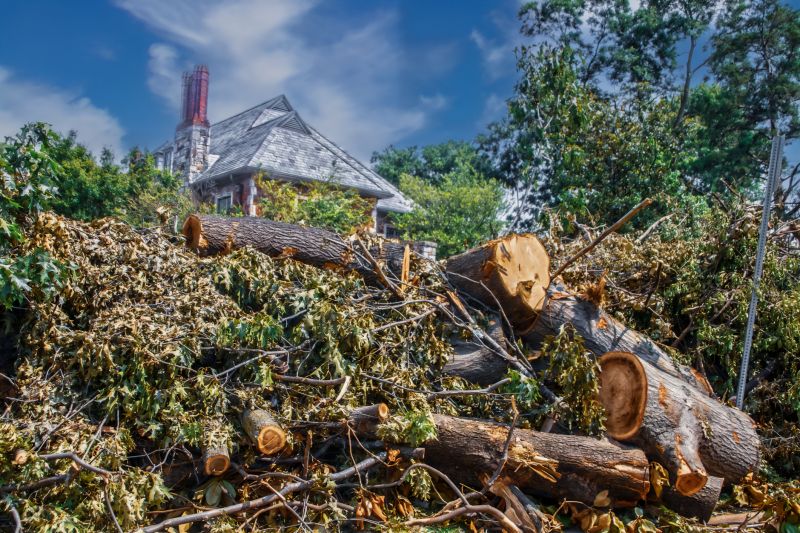
Clearly describe your tree debris removal project to effectively compare local contractors, verify experience, and set expectations in writing.
- Verify that the scope of debris removal is clearly defined in the contract to ensure all necessary work is included. - Local contractors should provide a detailed description of the debris removal process and what is to be removed.
- Check that the experience of the service provider includes handling tree debris specifically to ensure proper cleanup. - It is important to confirm that contractors have relevant experience with tree debris removal projects.
- Ensure the contract specifies responsibilities for cleanup and disposal of debris after the work is completed. - Clarify whether debris will be hauled away or left on-site, and who is responsible for disposal.
- Review the terms for scope changes or additional work to prevent misunderstandings during the project. - Written agreements should outline procedures for any adjustments to the initial scope of work.
- Compare multiple local contractors to assess differences in scope, experience, and scope of work descriptions. - Gathering details from various providers helps in making informed decisions based on scope and expertise.
- Confirm that the contract includes a clear outline of work expectations and deliverables before work begins. - A detailed written agreement helps set proper expectations and reduces potential disputes.
Compare local contractors' experience and clarify project scope to ensure clear, written expectations.
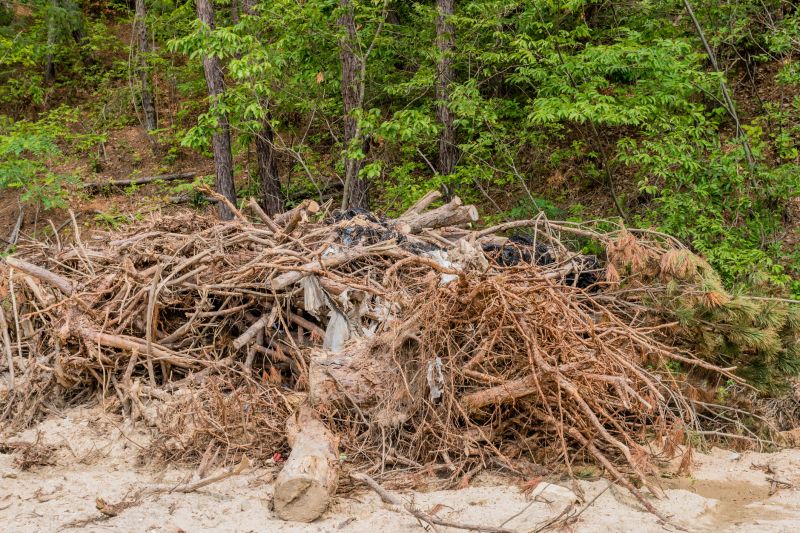
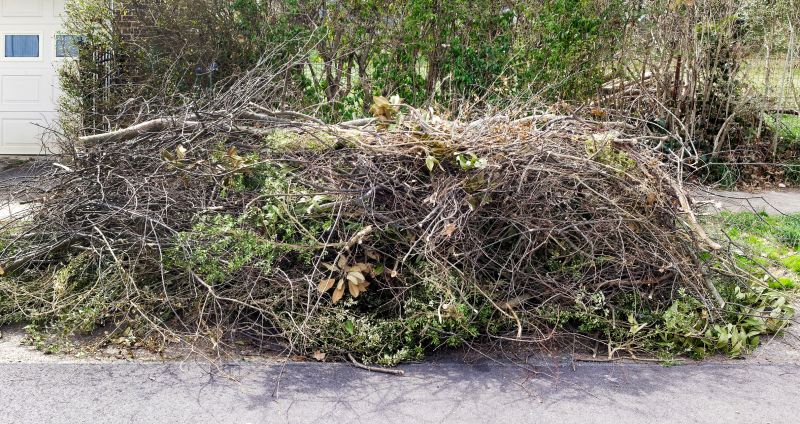

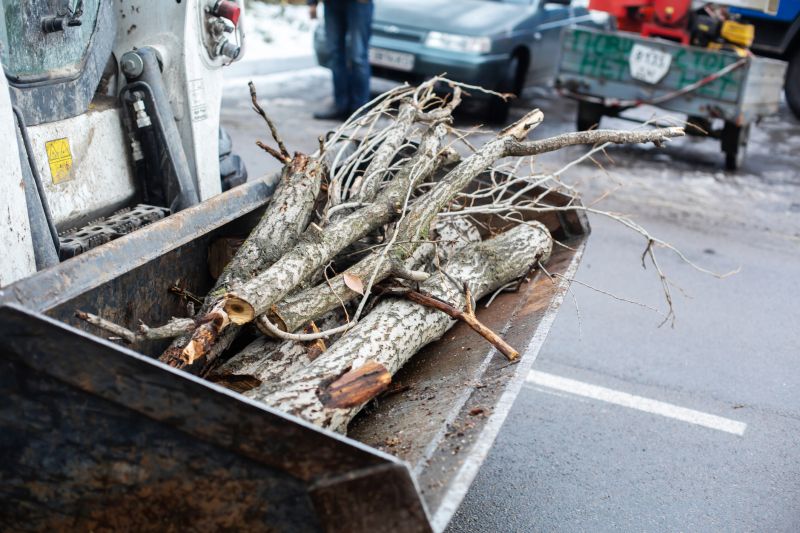
This scope builder helps you compare local contractors for tree debris removal by clarifying work details and expectations.
- Scope Definition - Clearly specify the extent of tree debris removal, including types of debris to be cleared and areas involved.
- Experience Verification - Confirm that local contractors have relevant experience with tree debris removal projects of similar scope.
- Material and Equipment Details - Outline the tools, equipment, and methods that will be used to ensure effective debris removal.
- Work Standards and Expectations - Establish quality standards, cleanup procedures, and handling of remaining debris in writing.
- Comparison Criteria - Identify key factors for evaluating and comparing different service providers’ scope, methods, and experience.
When comparing contractors for tree debris removal, it’s important to consider their experience with similar projects. Homeowners should inquire about the types of debris removal jobs the service providers have completed in the past, paying attention to the size and scope of those projects. Contractors with a history of handling tree debris removal for properties comparable to their own are more likely to understand the specific challenges involved and deliver effective results. Gathering details about a contractor’s previous work can help homeowners assess whether a provider has the relevant background to manage their particular needs.
A clear, written scope of work is essential when evaluating tree debris removal contractors. Homeowners should seek detailed descriptions of what the project will include, such as specific debris types, removal methods, and cleanup procedures. Having a documented scope helps set transparent expectations and reduces the potential for misunderstandings. It’s advisable to review any written proposals or estimates carefully to ensure all aspects of the debris removal are clearly outlined and agree on the extent of work involved.
Verification basics play a key role in choosing a reliable contractor. Homeowners can verify a service provider’s reputation by checking references or reviews from previous clients, as well as confirming their track record with local business directories or industry associations. Additionally, confirming that the contractor carries appropriate insurance coverage can provide peace of mind and protection during the project. Conducting a basic background check helps ensure that the selected professional has a history of satisfactory work and adheres to standard practices in the industry.
Evaluating options without focusing on prices involves comparing the quality of services, experience, and the clarity of communication. Homeowners should consider how well each contractor articulates their process, provides detailed written scopes, and demonstrates familiarity with projects similar to their own. Asking questions about the contractor’s approach to debris removal, cleanup procedures, and project management can reveal their level of professionalism and attention to detail. By focusing on these factors, homeowners can make informed decisions that align with their needs and expectations, connecting with local service providers capable of handling their tree debris removal projects effectively.
Ask for written scope and service details to ensure clear expectations and consistent work with local contractors.
- Scope of Services - What specific debris removal tasks are included and are there any additional services offered?
- Experience and Expertise - How long have the local contractors been performing tree debris removal, and what types of debris have they handled?
- Equipment and Methods - What tools and techniques do the service providers use to ensure thorough and safe debris removal?
- Work Guarantees and Warranties - Do the contractors provide any written assurances regarding the quality or completeness of their debris removal work?
- Comparison Criteria - What factors should be considered to effectively compare the scope and capabilities of different local contractors?
What should I consider when choosing a contractor for tree debris removal? It’s important to compare local contractors based on their experience, scope of work, and reviews. Ensuring clear communication about the services offered helps set proper expectations.
How can I verify a contractor’s experience in tree debris removal? Ask for details about their previous projects and how long they have been providing similar services. Checking references or reviews can also provide insight into their expertise.
What questions should I ask to define the scope of the debris removal? Clarify what types of debris will be removed, the area covered, and if any additional services are included. Clear scope definitions help prevent misunderstandings.
Why is it important to have the scope of work in writing? Having a written agreement ensures both parties understand the services to be performed, which helps avoid disputes and ensures expectations are aligned.
How can I compare different contractors effectively? Review their experience, scope of services, and customer feedback. Request detailed descriptions of their process to determine which provider best matches the project needs.
What should I look for in a contractor’s reputation? Seek out local service providers with positive reviews and a history of reliable work. Consistent feedback from previous clients can indicate a contractor’s professionalism and quality.
Understanding the key aspects of tree debris removal can help in selecting the right service providers. Visitors learned how to define the scope of work, verify experience, and set clear expectations in writing to facilitate effective comparisons. Exploring multiple local contractors allows for a better understanding of available options, ensuring choices are based on informed decisions.
Using the quote form provides a straightforward way to compare local contractors who can handle tree debris removal. It enables visitors to gather information and connect with service providers, making it easier to evaluate their offerings and find the best match for specific needs.